

How Much Power Do Solar Panels Make in a Connecticut Winter?
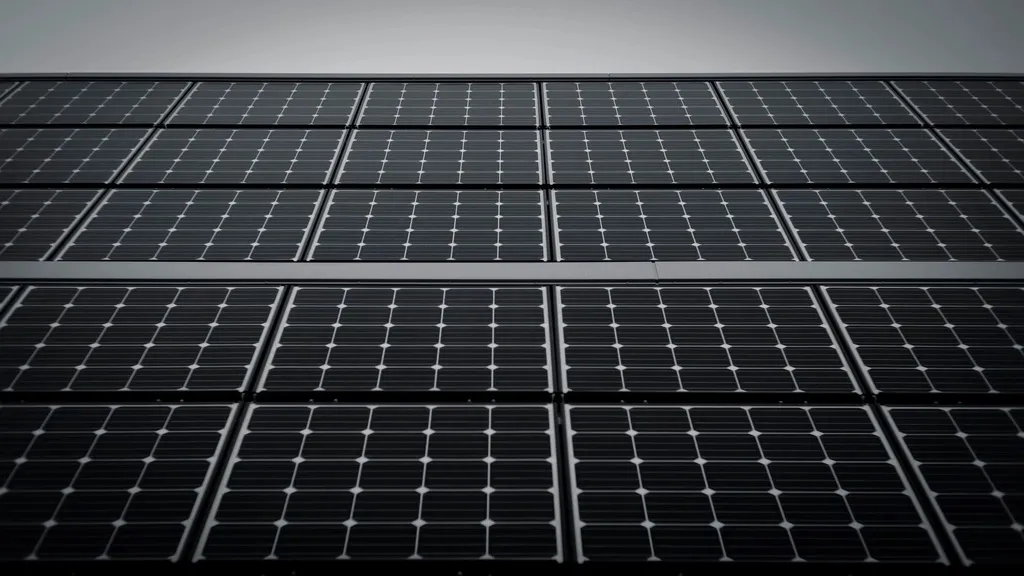
Solar panels keep working through a Connecticut winter, just at a lower level. NREL’s PVWatts calculator estimates that a typical 8 kW south-facing system in Wallingford makes about 620 kWh in December. That is a little over half of the roughly 1,105 kWh it makes in July. November and January come in at about 695 kWh each. The drop comes from shorter days and a lower sun, not the cold. Cold air actually helps panels work more efficiently.
How much does a Connecticut system make each month?
Here is PVWatts’ estimate for that example system: 8 kW, south-facing, tilted 30°, in Wallingford, using NREL’s typical weather year and standard system losses.
| Month | Estimated output | Share of the year |
|---|---|---|
| July | about 1,105 kWh | 10.5% |
| October | about 775 kWh | 7.3% |
| November | about 695 kWh | 6.6% |
| December | about 620 kWh | 5.9% |
| January | about 695 kWh | 6.6% |
| February | about 810 kWh | 7.7% |
| March | about 960 kWh | 9.1% |
The whole year comes to about 10,500 kWh. Your own system will differ with its size, roof angle, direction and shade. The pattern holds for homes from Southington to Middletown: December is the low point and output climbs back through February and March.
Why do solar panels make less in winter?
- Shorter days. Connecticut’s December days are several hours shorter than June’s, so there are simply fewer hours of sun.
- A lower sun. The winter sun crosses low in the southern sky. Its light comes through more atmosphere and hits the panels at a steeper angle, and it casts long shadows. A tree that never touched the array in summer can shade it in December.
- Weather. Cloudy stretches and snow cover both cut output while they last.
Do solar panels work better in the cold?
Yes. The cold itself is on your side. The U.S. Department of Energy notes that PV modules operate more efficiently in colder weather, because temperatures above 77°F reduce their voltage. A clear, cold January day in Durham is a very good day for the panels. There just aren’t as many hours of it.
What can you control in winter?
You can’t lengthen the days, but you can make sure none of the short winter sun is wasted:
- Go into winter with clean glass. The late-fall cleaning, after the leaves are down, matters most here. With fewer hours of sun, every bit of shading costs more. See our fall guide to leaves on solar panels and how often to clean solar panels in Connecticut.
- Don’t let debris sit at the bottom edge. Leaves and debris packed along the bottom frame shade the bottom row of cells all winter long.
- Stay off the roof. Icy shingles and ladders don’t mix. Anything that needs doing up there is a job for a professional.
- Read your monitoring app fairly. Compare a December with the December before it on clear days, not with July. Our five signs your solar panels need cleaning explains how.
How do you know if low winter numbers are a problem?
Compare like with like. If a clear December day produces clearly less than a clear December day a year earlier, and nothing has changed around the house, something is on the glass or something needs a look. If one panel or section consistently reads lower than the rest, a visual inspection with a written report and photos is the next step.
For the full picture of what dirt costs you, see do dirty solar panels produce less energy.
Want your panels clean before the shortest days? Book a residential cleaning or call or text (203) 659-0781.
SolarWash CT — Wallingford, Connecticut
Last reviewed:
Related Services
Related Areas
Need Your Solar Panels Cleaned?
Get a free quote from SolarWash CT — serving 26 towns across South Central Connecticut and Fairfield County.